The City Rivers
Four European cities you can swim through.
Basel, Zurich, Munich and Paris each have a river running through the center that you can swim in, legally, every summer. Three of them had to clean the water first. This is how each city did it, and where to get in.

BASEL, THE RHINE
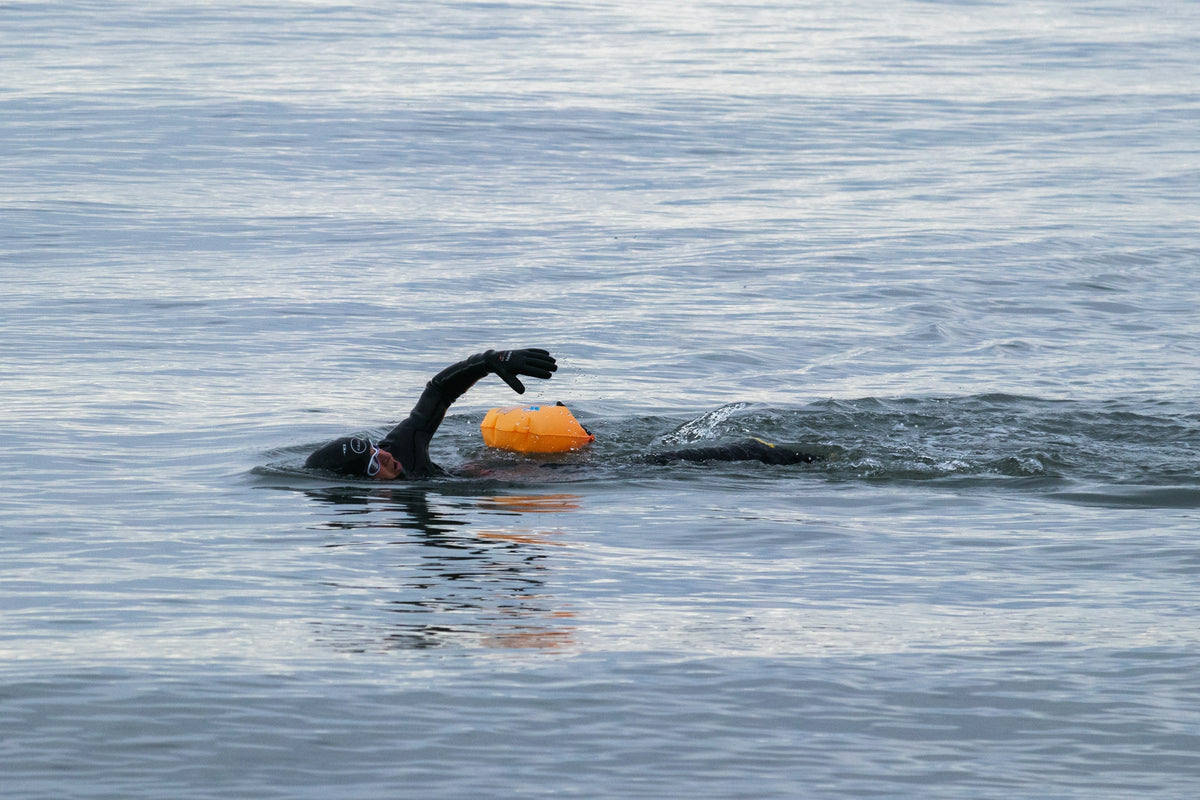
Basel sits on a bend of the Rhine, at the corner where Switzerland, Germany and France meet. On a hot evening the river fills with people. They are not swimming laps. They are drifting a kilometer or two, from one set of stone steps to the next, with their clothes floating alongside them in a bag.
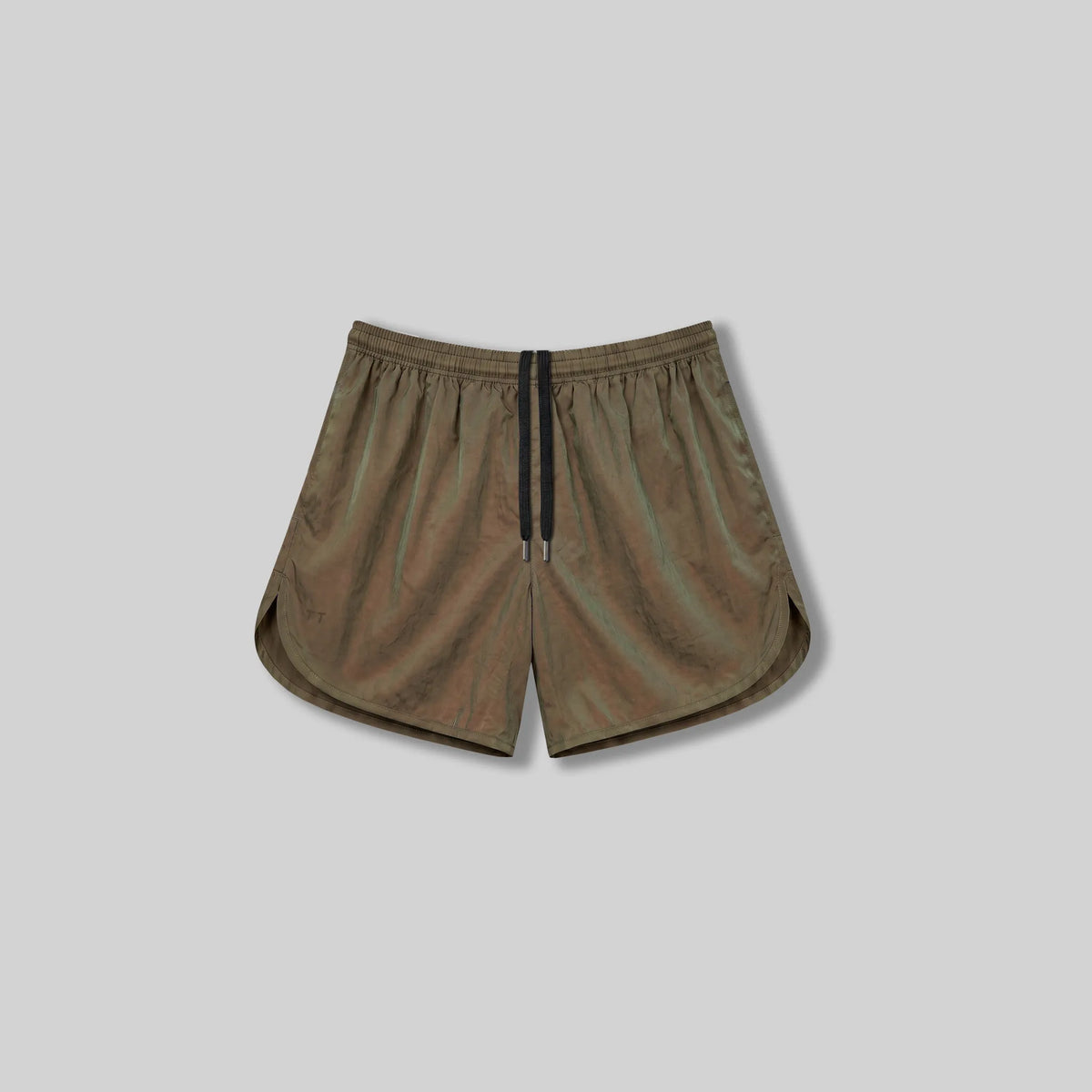
The bag is a Wickelfisch. Fish-shaped, waterproof, sealed by rolling the open top over itself six or seven times and clipping it shut. Tilo Ahmels invented it and has been making them since 2002. The tourist office now rents them by the day. Our shorts stay on. Everything else goes in the fish.

The swimming is far older than the bag. What is recent is the water being fit for it. On November 1, 1986, a warehouse burned at Schweizerhalle, a chemical site just outside town. The water used to fight the fire ran into the Rhine carrying pesticides and mercury compounds, and it ran red. Fish died for four hundred kilometers downstream. Eels took the worst of it.
What followed was a Rhine action plan, agreed by the river countries in Strasbourg in October 1987, then decades of treatment plants and argument. The fish came back. After the fish, the swimmers.
ZURICH, THE LIMMAT
Zurich never lost its river. The Limmat runs out of the lake straight through the middle of town, and the city was building baths on its water through the nineteenth century. The women's bath on the Stadthausquai opened in 1888 and is still there, a wooden pavilion standing out over the current.
So Zurich has the architecture. The one to swim is the Flussbad Oberer Letten, ten minutes on foot from the main station. Elsa Burckhardt-Blum built it in concrete in 1952, in a style the Swiss call hygienic modernism, which means no ornament and nothing to clean around. A quarter mile of moving river, a two-meter board, free entry.
MUNICH, THE ISAR
The Isar comes down off the Alps cold and fast and green with lime washed off the mountains, and it used to spread itself across gravel islands. From the middle of the nineteenth century engineers held it in a straight channel to stop it flooding, and it stayed there for over a hundred years. From 2000 to 2011 the state water office widened eight kilometers of it, laid the banks back, returned the gravel bars and spent thirty-five million euros.

The rest of the work was upstream and invisible. Every treatment plant on the river was fitted with ultraviolet disinfection, switched on from mid-April to the end of September. The city still calls the Isar a wild river and promises nothing after heavy rain. In summer the gravel at the Flaucher, south of the center, fills with people who walked ten minutes from a desk.
PARIS, THE SEINE
Paris paid in cash. Swimming in the Seine was banned in 1923 and stayed banned for a century. The cleanup ran to about 1.4 billion euros across the state, the city and the region, and finished in time for the Olympic swims. Anne Hidalgo, the mayor, went in on July 17, 2024, nine days before the Games opened.

The public followed on July 5, 2025. There are three supervised sites, all free: Bercy in the east, one beside the Île Saint-Louis within sight of Notre-Dame, and Grenelle in the west with the Eiffel Tower in view. They opened again on July 4, 2026, second summer running. The water is tested every day. A flag goes up over each site, and when the water fails, the flag comes down.
Where the land runs out, other towns built their pools into the sea itself. Those are in The Sea Pools.
None of these rivers is swum the way a pool is swum. There is a current, and it has already settled which way you are going. You get in where the steps are, you keep your head up for the boats, and you get out where the river puts you.